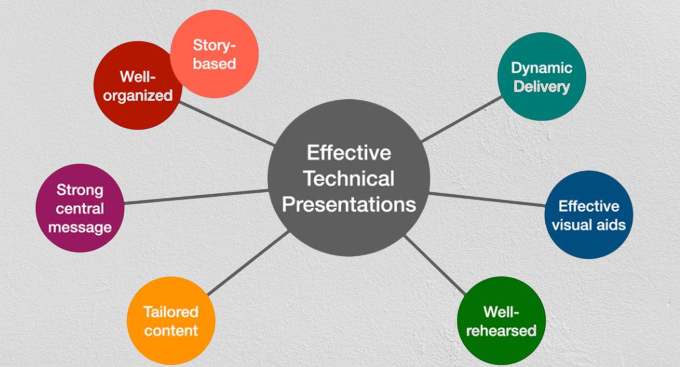
Delivering a compelling presentation is more than just speaking in front of an audience. It requires clarity, structure, confidence, and the ability to connect with listeners. Strong presentation techniques can transform even a simple idea into a memorable experience. Whether you are addressing a small team or a large audience, mastering these skills will help you communicate effectively and leave a lasting impression.
Understanding the Purpose of Your Presentation
Before creating slides or writing notes, define your goal. Are you informing, persuading, or inspiring your audience? Each purpose demands a slightly different approach.
An informative presentation focuses on clarity and accuracy. A persuasive one relies on emotion and logic. Meanwhile, an inspirational talk depends heavily on storytelling and delivery style. Identifying your objective helps you choose the right tone, structure, and supporting material.
Equally important is understanding your audience. Consider their expectations, knowledge level, and interests. Tailoring your content ensures your message resonates and keeps listeners engaged.
Structuring Content for Maximum Clarity
A well-organized presentation is easier to follow and more impactful. Structure your content into three main parts:
Introduction
Start with a strong opening. This could be a thought-provoking question, a surprising statistic, or a short story. The goal is to capture attention immediately while clearly stating what the presentation will cover.
Main Body
Break your content into clear sections. Each section should focus on one key idea supported by examples, data, or visuals. Avoid overloading slides with information. Simplicity enhances understanding.
Conclusion
Summarize the main points and reinforce your message. End with a clear takeaway or call to action so your audience knows what to do next.
Using structured presentation techniques ensures your audience can easily follow your ideas from beginning to end.
Enhancing Delivery Skills
Even the best content can fail without effective delivery. How you present matters just as much as what you present.
Voice Control
Speak clearly and vary your tone to avoid sounding monotone. Use pauses to emphasize key points and give your audience time to absorb information.
Body Language
Maintain eye contact to build trust and connection. Use natural gestures to support your message. Standing confidently also conveys authority and credibility.
Pacing
Avoid speaking too quickly. A steady pace allows your audience to keep up and stay engaged. Practice beforehand to maintain a comfortable rhythm.
Strong delivery is one of the most important presentation techniques, as it directly influences how your message is received.
Using Visual Aids Effectively
Visual elements can enhance understanding when used correctly. Slides, charts, and images should support your message, not distract from it.
Keep slides clean and uncluttered. Use minimal text and focus on key points. Visuals should highlight important information rather than repeat everything you say.
Consistency in design also matters. Use the same fonts, colors, and layout throughout your presentation to maintain a professional appearance.
Remember, visuals are tools—not the main focus. Your explanation should always carry the presentation.
Engaging Your Audience
Audience engagement is what separates an average presentation from a memorable one. Interaction keeps listeners attentive and involved.
Ask questions, encourage participation, or include short activities when appropriate. Storytelling is another powerful method. Sharing real-life examples makes your content relatable and easier to understand.
You can also adapt your presentation based on audience reactions. If they seem confused, clarify your point. If they show interest, expand on the topic. Flexibility is a key part of effective presentation techniques.
Managing Nervousness and Building Confidence
Feeling nervous before a presentation is normal, even for experienced speakers. The key is to manage that energy positively.
Preparation is the most effective way to build confidence. Practice your presentation multiple times until you feel comfortable with the flow.
Deep breathing techniques can help calm nerves before you begin. Focusing on your message rather than your fear also shifts your mindset in a positive direction.
Over time, repeated practice and experience will naturally reduce anxiety and improve your performance.
Leveraging Practice and Feedback
Continuous improvement is essential for mastering presentations. Record yourself while practicing to identify areas for improvement.
Seek feedback from colleagues or peers. They can provide insights on clarity, delivery, and engagement that you might overlook.
Refining your approach based on feedback helps you develop more effective presentation techniques over time.
Conclusion
Effective presentations are a blend of preparation, structure, delivery, and audience connection. By focusing on clear goals, organized content, confident delivery, and meaningful engagement, you can significantly enhance your communication skills.
Mastering presentation techniques is not about perfection but about continuous improvement. With practice and attention to detail, anyone can become a confident and impactful presenter.