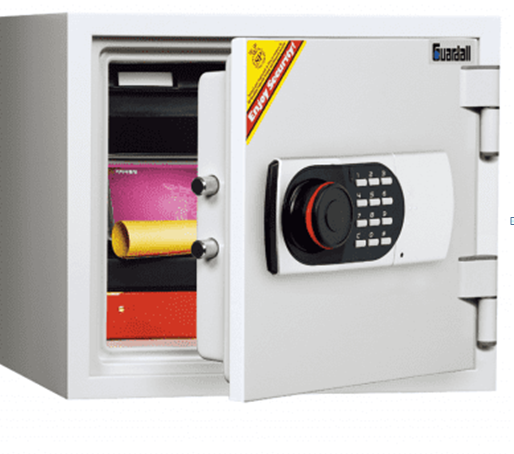
Whether you’re protecting family documents, jewellery, hard drives, or emergency cash, choosing the right home safe in Australia can feel overwhelming. The market is flooded with options ranging from flimsy lockboxes to heavy-duty fortresses. This guide cuts through the noise, helping you understand what actually matters — and what to look for before you buy.
Why Every Australian Home Needs a Safe
Australia experiences tens of thousands of household burglaries every year, and residential fires remain a persistent threat across the country. While insurance can cover financial losses, it cannot replace your passport, birth certificate, irreplaceable photographs, or USB drives containing years of memories. A purpose-built home safe offers a first line of defence that no policy can match.
Beyond burglary, natural disasters — including the bushfires that have devastated communities from Queensland to Victoria — make fireproofing a non-negotiable consideration for Australian buyers. Choosing a safe that can withstand both threats is not a luxury; it’s a practical necessity.
Fireproof Ratings: What the Numbers Actually Mean
When shopping for a fireproof safe, you’ll encounter UL (Underwriters Laboratories) and EN (European Norm) ratings. These tell you how long the internal temperature stays below a critical threshold during a fire. Entry-level safes carry a 30 to 60-minute rating, which suits paper documents stored away from high-fuel areas. Mid-range models offer one to two hours of protection and are recommended for passports, valuables, and digital media in most Australian homes.
If you’re storing USB drives, hard disks, or SD cards, pay close attention to data and media ratings. Standard fire-rated safes keep internal temperatures below 177°C — safe for paper, but catastrophic for electronics. A media-rated safe keeps the interior below 52°C, which is the threshold at which hard drives and flash storage begin to fail. Water resistance is another consideration worth checking, especially for homes in flood-prone regions or areas where fire hoses may saturate contents during an emergency response.
Theft Resistance: Beyond the Marketing Claims
Almost every safe on the market claims to be burglar-resistant, but the meaningful differentiator is how long it can resist a determined attack. Look for safes with a minimum 3mm solid steel body, full-length locking bolts on multiple sides, and anti-drill plates protecting the locking mechanism. A good quality bolt-down anchor kit is just as important as the safe itself — an unsecured safe can simply be carried away and cracked open elsewhere at leisure.
For Australian conditions, consider that garage and outdoor shed environments expose safes to significant humidity and temperature variation. Safes rated for indoor use only may develop rust around the door seal over time, compromising both the fire rating and the structural integrity of the unit.
Lock Types: Which One Is Right for You?
Modern home safes come with three primary locking mechanisms. Electronic keypad locks offer quick access and can store multiple user codes, making them ideal for families — but they rely on batteries that need periodic replacement. Key locks are the most reliable in terms of long-term function but create a risk if keys are lost or stolen. Biometric fingerprint locks offer impressive convenience but can occasionally misread in high-humidity Australian conditions.
For most households, an electronic keypad combined with a manual key override offers the best balance of speed and reliability. Always ensure the backup key is stored securely offsite, never inside or directly beside the safe itself.
Size and Placement: Think Before You Buy
One of the most common mistakes Australian buyers make is purchasing a safe that’s too small. Experts consistently recommend buying one size larger than you currently think you need, as most people accumulate more documents, drives, and valuables over time. For placement, a bedroom wardrobe bolted to a concrete slab is ideal — it combines concealment with structural security. Avoid positioning safes in garages or near external walls where temperature extremes are greatest.
Choosing a Reputable Australian Supplier
Beyond specifications, the supplier you purchase from matters enormously. Warranty coverage, delivery to regional areas, and after-sales support — particularly for electronic lock servicing — vary significantly across the market. One well-regarded name is Safes Australia, which offers a broad range of residential and commercial options backed by local support and independently verified certification. When comparing suppliers, always confirm that fire ratings are backed by third-party laboratory testing, not self-declared figures from the manufacturer.
Final Word
The best home safe in Australia isn’t the most expensive one — it’s the one with verified ratings, the right size for your needs, and a trusted local supplier standing behind it. Run through the key checks before you buy: confirmed fire rating, solid steel construction, a bolt-down kit, backup key access, and Australian warranty support. Invest once, invest wisely, and your valuables will be protected for decades to come. For more details, Click here